Our story
About First Pitch
A small, local guide service run by a local climber, on the rock close to home.
Photo: Connar L'Ecuyer / National Park Service (Public domain)
Who we are
Small on purpose
First Pitch Climbing Co. is a small, local guide service started by a longtime LA climber, Jack Nixon.
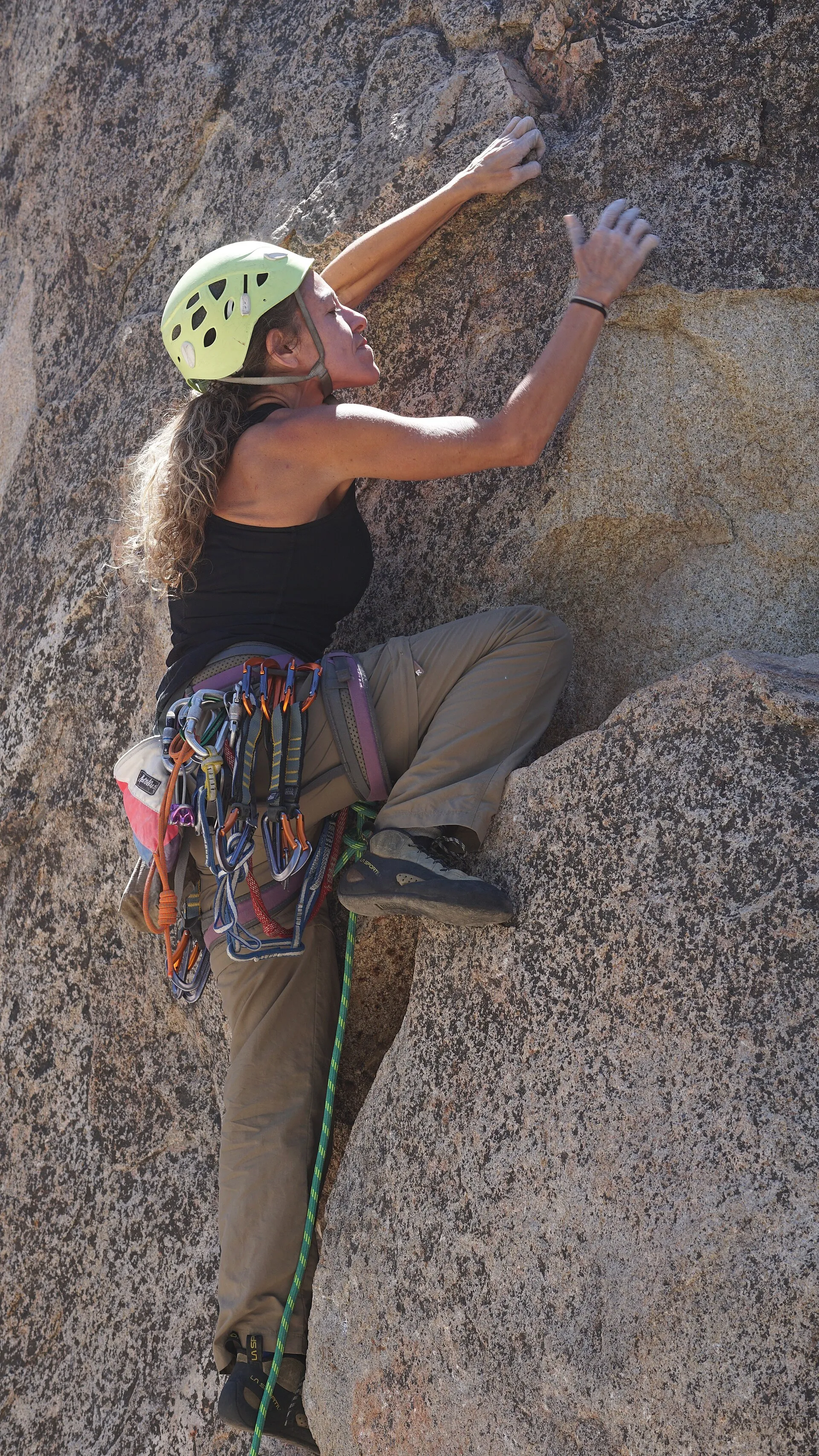
There's no front desk and no fleet of vans: just small-group trips, planned around who's coming and led by someone who knows these crags well. The person who replies to your request is the same person who'll be checking your knots at the crag.
Why we stay close to home
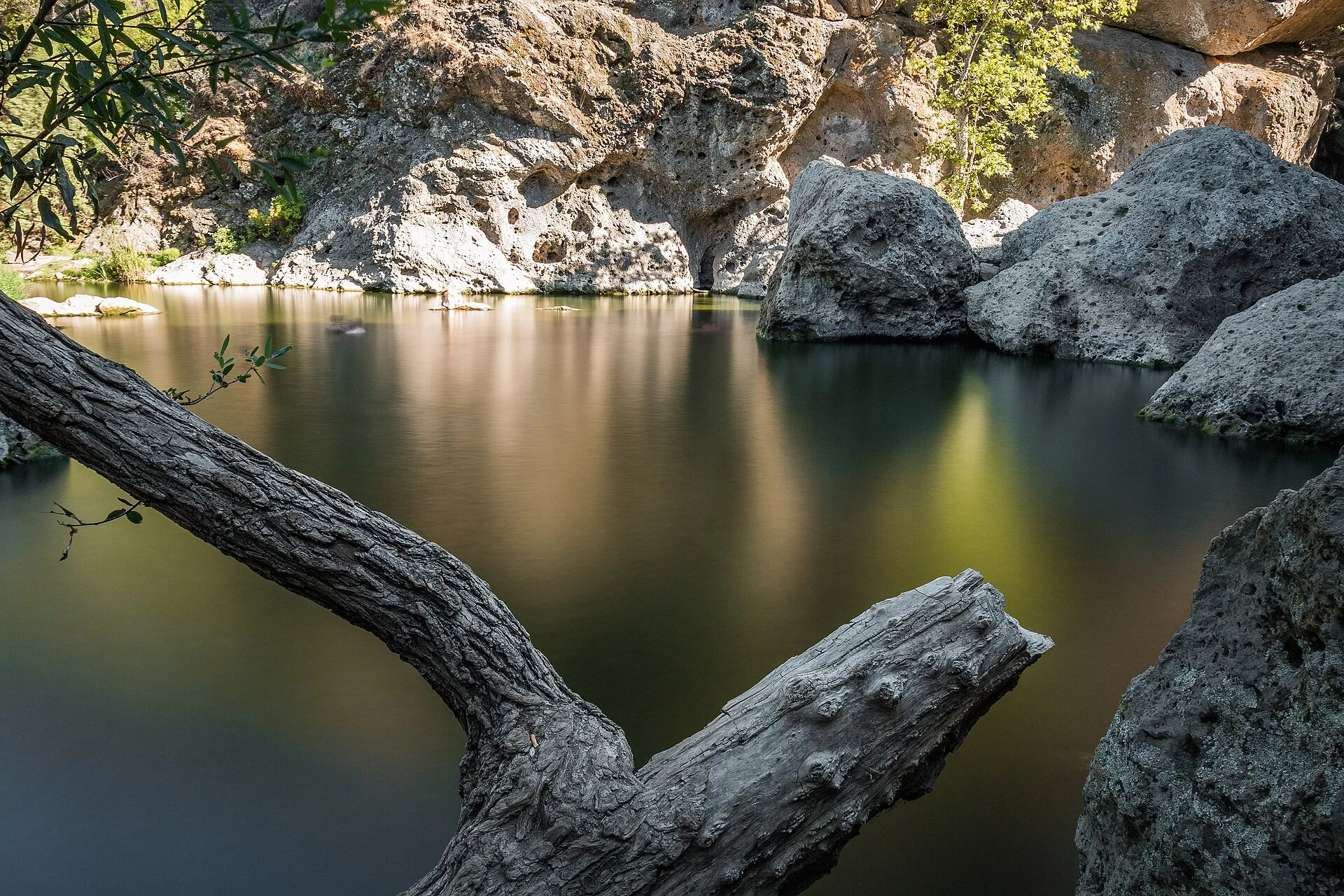
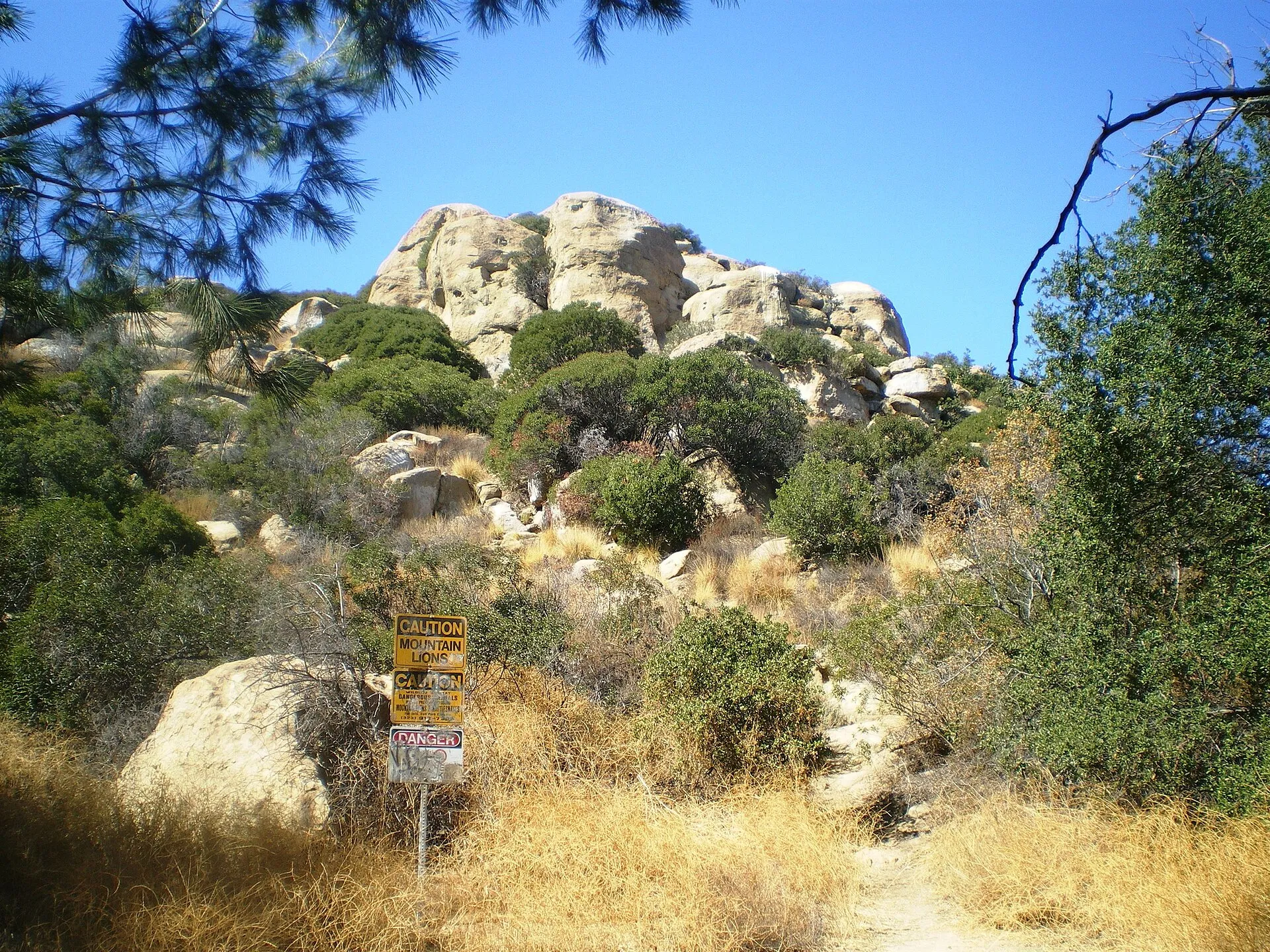
Los Angeles has a remarkable amount of rock within reach of the city: sandstone at Stoney Point, volcanic pockets at Malibu Creek, conglomerate in Texas Canyon and granite slabs at Big Rock. We focus on these crags because we know them well: which walls get shade on a warm morning, which routes suit a nervous first-timer, and when the sandstone needs a few more dry days after rain.
Staying local means less time in the car and more time on the wall. When summer heat settles over the city, we head up to the cool granite of Idyllwild and the San Bernardino Mountains.
- Based in
- Los Angeles, California
- Groups
- Small and personal
- Ratio
- Up to 4 climbers per guide
- Close-to-home crags
- 40 to 75 minutes from downtown
The name
Why “First Pitch”?
In climbing, a pitch is one rope-length of rock: the stretch between the ground and the first anchor. Every climb starts with the first pitch, whether it’s your first day on a rope or your five-hundredth. Our trips are single-pitch, so you get a whole day of first pitches on LA’s best rock.
- Pitch
- One rope-length of climbing, from the ground (or a belay ledge) up to the next anchor.
- Single-pitch
- Routes no taller than one rope-length. You lower back to the ground from the anchor. Most of our trips.
- Multi-pitch
- Taller routes climbed in stages, pitch after pitch, like the granite above Idyllwild. By request.
How we work
What you can count on
-
Small and personal
Small groups at your pace, with up to 4 climbers per guide. If your group is small we may pair you with another small group, and we'll always tell you first. We pick the crag and the routes around who's coming, whether that's a family of first-timers or a gym regular ready for real rock.
-
Safety first
We work to AMGA standards. Every anchor is built with redundant systems, every knot and harness gets a double-check, and we'll change plans for heat, fire weather or wet rock without a second thought.
-
Stewardship
We practice and teach Leave No Trace: we stay on established trails, pack out everything we bring and give other climbers room. We never climb wet sandstone: it breaks easily and the damage is permanent.
-
Permits, done right
We only guide where land managers authorize commercial use. That's why we don't guide at Echo Cliffs, a popular crag on National Park Service land where guided climbing isn't an authorized activity.
Crags we don’t guide, and why
Our backyard
Rock close to home
-
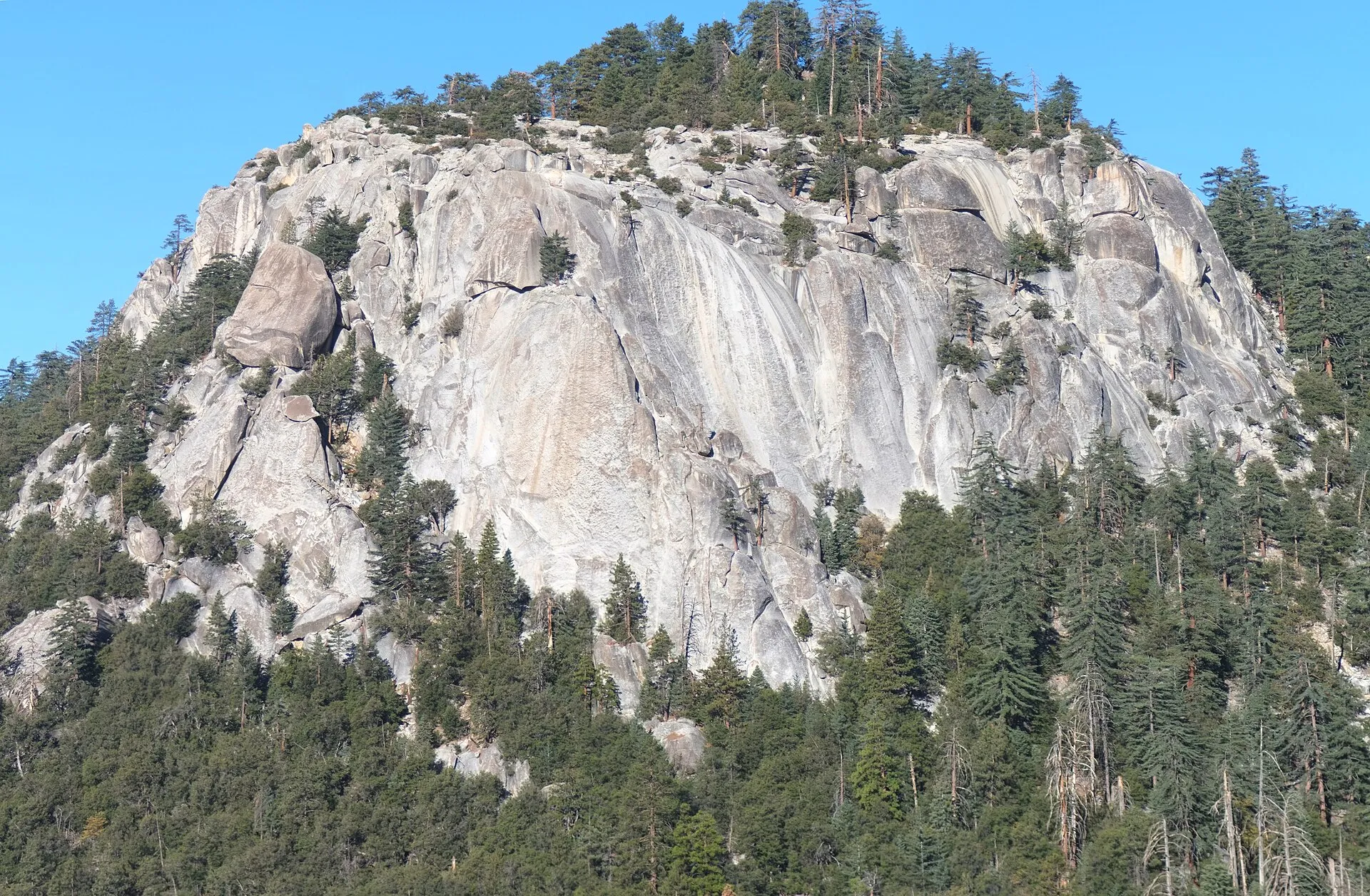 Suicide Rock, Idyllwild
-
 Holcomb Valley Pinnacles, San Bernardino National Forest
-
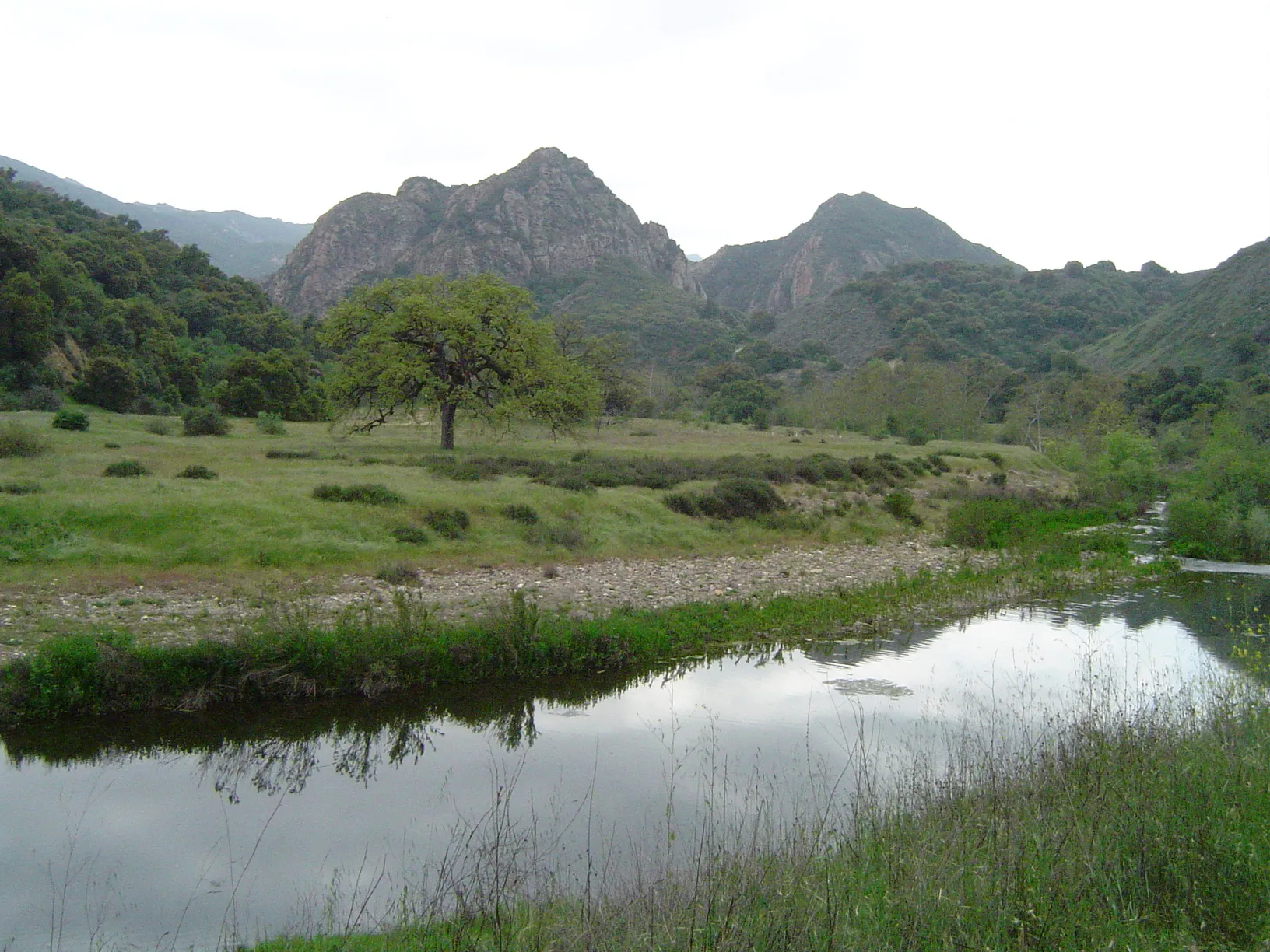 Malibu Creek State Park
-
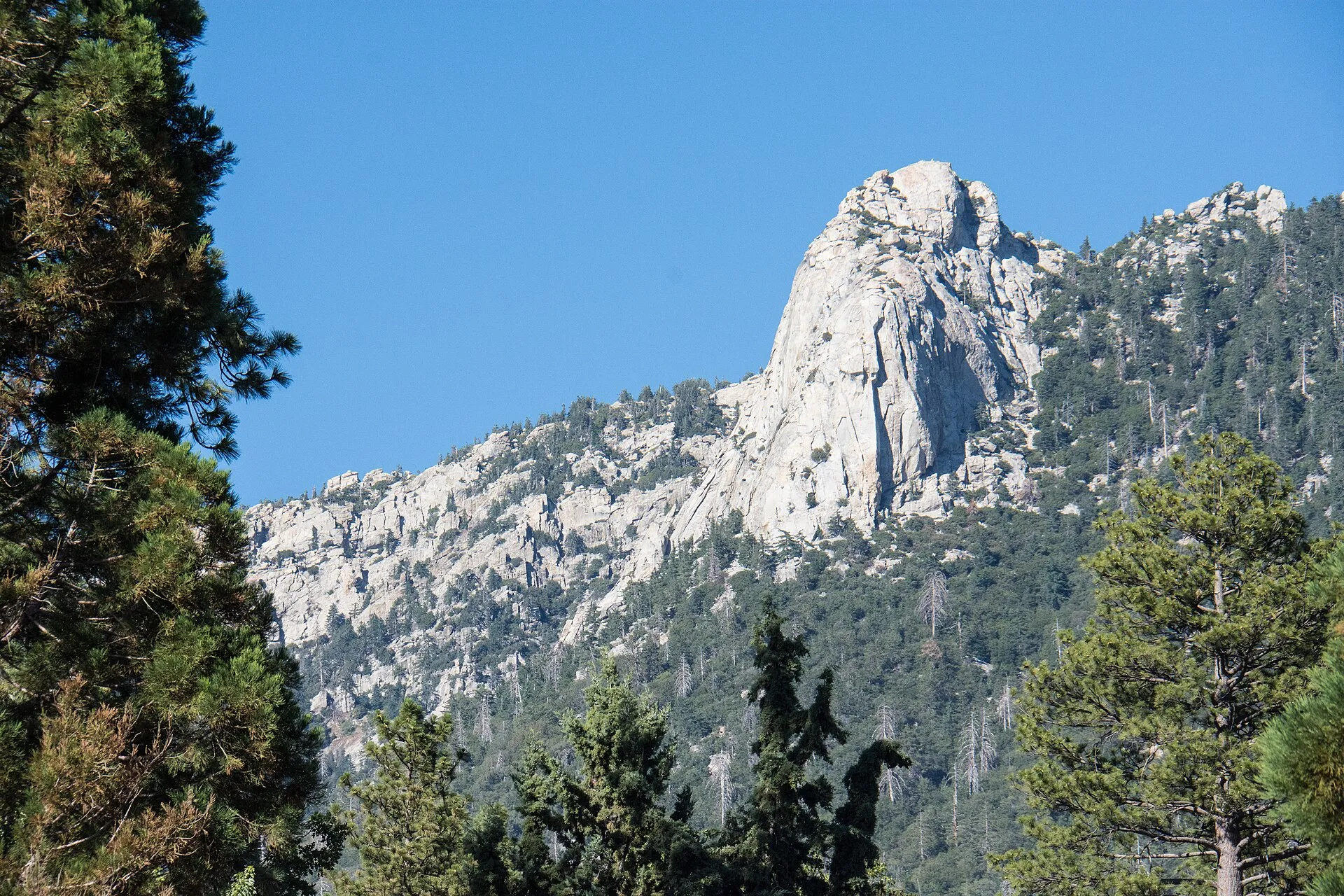 Tahquitz Rock, Idyllwild
-
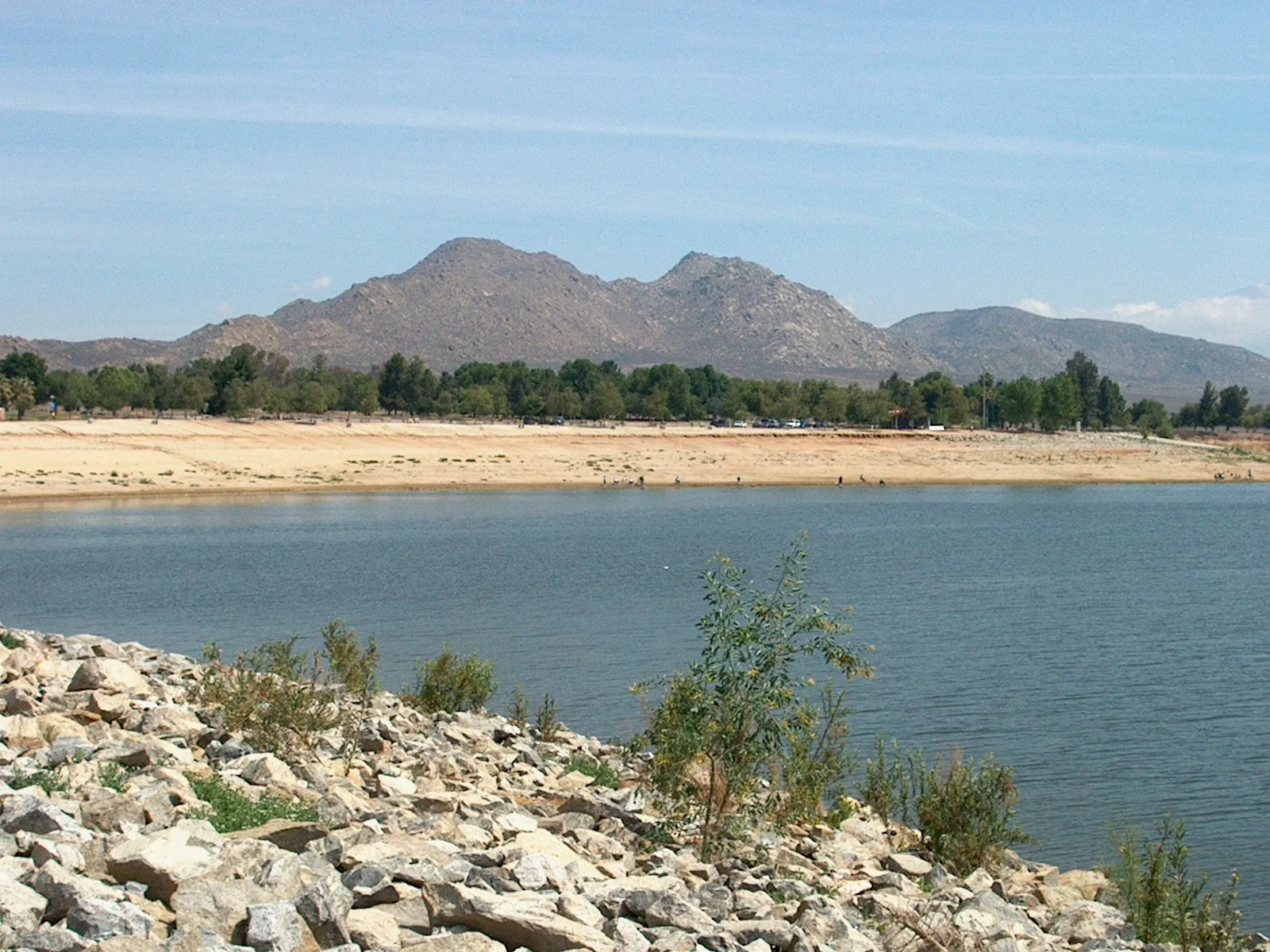 Lake Perris State Recreation Area